







Search Results for: puck tamping
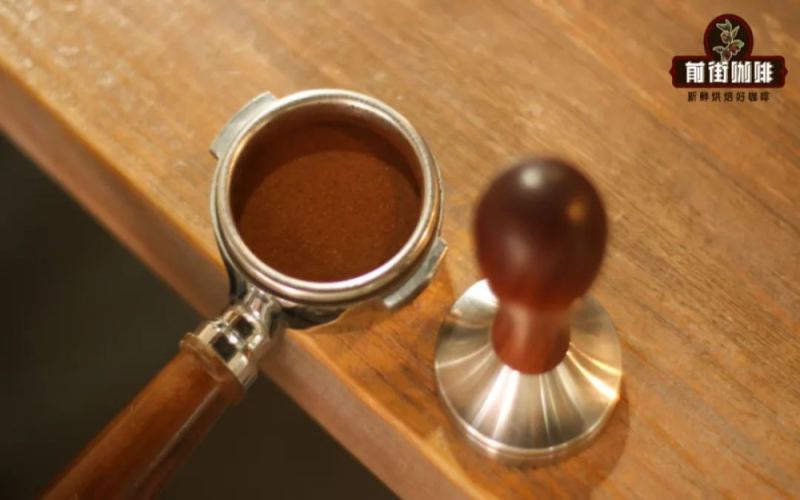
How should you control the tamping pressure for espresso? An experimental analysis of tamping differences under coarse and fine grinding
Tamping the puck flat is a basic consensus in espresso extraction, but how much force should actually be used to tamp it down has long been a point of disagreement among baristas. Some give the tamper a light spin and apply just a little pressure, while others put their whole body weight into compressing the puck as hard as possible. Front Street conducted a comparative experiment using two grind sizes—coarse and fine—tamping with a regular force of 1.5 kg and a full-force press of about 9 kg respectively, to observe changes in extraction time. The results showed that because coffee grounds differ in density, the force needed to reach a compacted state also varies: fine grinds require greater pressure to be tamped to their most compact state, while coarse grinds are already sufficiently compacted at 1.5 kg, and full-force tamping produces extraction results almost identical to regular force. This article will present the full experimental process and conclusions to help coffee lovers understand the relationship between tamping force and grind fineness. [more…]
What's the right tamping pressure for espresso? A practical analysis of how grind size affects tamping
Tamping is a seemingly simple yet highly debated step in espresso making. Some people casually rotate the tamper, while others put all their strength into pressing the puck as tightly as possible. Just how much does tamping pressure affect extraction? Does the compactness of the puck really influence flow rate? Front Street Coffee answers these questions through two sets of comparison experiments with different grind sizes, using actual extraction time data. This article will guide you through the subtle relationship between tamping pressure and grind particle size, helping you find the tamping method that suits you best. [more…]
What espresso tamping pressure is actually appropriate? Experiment reveals the relationship between grind size and tamping force
Tamping is a step in espresso making that seems simple but is full of subtle knowledge. Baristas have different understandings of tamping: some believe a light press to level the grounds is enough, while others are used to pressing down with full force. So, does tamping pressure actually affect the extraction result? Front Street Coffee conducted two sets of comparative experiments, using coarse-ground and fine-ground coffee powder respectively, and observed the changes in extraction time after tamping with different pressures. The experiments revealed a key rule: the effect of tamping pressure on extraction is not fixed, but is closely related to the coarseness of the coffee grounds. This article will take you deeper into the true role of tamping, the differences in understanding among different schools of thought, and how to flexibly adjust tamping pressure according to grind size, so that every cup of espresso is more stable and outstanding. [more…]
A Detailed Guide to the Key Steps of Distribution and Tamping in Espresso Extraction: How to Make a Complete Puck
When extracting espresso, many coffee enthusiasts strive to knock out a complete puck. Although whether the puck is complete does not directly determine the flavor of the coffee, it can indirectly reflect whether the extraction process is standardized. The formation of the puck is closely related to operations such as distribution and tamping, and these steps are precisely the key to affecting coffee quality. Based on the practical experience of Front Street Coffee, this article explains in detail how to reduce channeling by choosing an appropriate dose, distributing the grounds evenly, and tamping correctly, ultimately obtaining a complete puck and thereby increasing the chances of making delicious coffee. [more…]
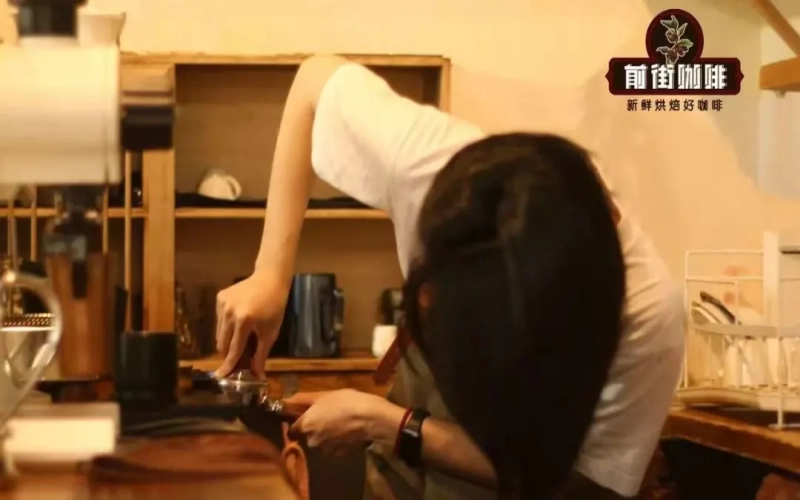
How much does espresso tamping pressure affect extraction time? Front Street's actual comparison test results of 2kg, 5kg, and 20kg
Many people new to espresso think that the harder you tamp, the denser the puck becomes, the harder it is for hot water to pass through, and the longer the extraction time naturally gets; conversely, with a light tamp, the puck is loose, the flow is smooth, and the time shortens. This logic sounds reasonable, but what is the real situation? Front Street used the same medium-dark roasted espresso blend, tamping 20g of coffee grounds with 2kg, 5kg, and 20kg of force respectively, extracting at a 1:2 coffee-to-liquid ratio, and the extraction times were almost identical, with no obvious difference in flavor performance either. Why is this so? The core reason is that the 9bar pressure during espresso machine extraction, converted to a 58mm puck, is as high as about 243kg, far beyond what human tamping force can compare to. Even so, tamping force still affects the probability of channeling occurring. This article will combine experimental data to analyze the true relationship between tamping force and extraction, and explain why even tamping is more worthy of attention than hard tamping. [more…]
A Complete Guide to Espresso Distribution and Tamping Techniques: Causes of Channeling and the Path to Even Extraction
To make a proper espresso, tamping and distributing the grounds is an unavoidable key step. Tamp too hard, and water struggles to penetrate the puck, so a thirty-milliliter shot may take forever to finish dripping, and the flavor will naturally be disappointing; tamp too loose, and the high-pressure hot water will wash away the layer of grounds, leaving small perforations and causing uneven extraction just the same. This article explains the difference between light and heavy tamping, the technique and key points of the rotating tamp, and the principles behind how channeling occurs, helping coffee enthusiasts understand how to make the puck density consistent and the surface level, so that hot water passes through evenly and fully extracts the aromatic compounds. The article also specifically draws on the practical experience of Front Street Coffee to provide beginners with actionable tamping advice. [more…]
How to Choose the Tamping Pressure for an Espresso Tamper? Experimental Analysis Comparing Distribution Techniques for Fine vs. Coarse Grinds
Tamping is a seemingly simple yet highly debated step in espresso extraction. Some people give the tamper a gentle twist, just enough to level the bed, while others put their whole body into it, determined to compress the puck to the extreme. So how much force should actually be used? Do different grind sizes call for different tamping strategies? Front Street Coffee ran two sets of comparison experiments using coarse and fine grounds, tamping with a normal force of 1.5 kg and a full-force press of about 9 kg respectively, and recorded the difference in the time needed to extract 40 ml. The results showed that fine grounds are quite sensitive to changes in tamping force, while coarse grounds are almost unaffected. Through the experimental data, this article will help you understand the true role of tamping force and find the tamping method suited to different grind states. [more…]
A Complete Guide to Espresso Tamping Techniques: Master the Correct Tamping Method and the Key Steps to Knocking Out a Perfect Puck
Extracting a qualified espresso shot—the tamping step is often overlooked by beginners, yet it directly affects the integrity of the puck and the final flavor. This article focuses on the correct way to use a tamper, starting from the phenomenon of knocking out an intact puck, and explains how each tamping step affects coffee quality. Whether you are an enthusiast just getting into espresso or a seasoned coffee pro hoping to refine your skills, you can understand why an intact puck can reflect extraction quality, and master the key operational details that make coffee taste better. [more…]
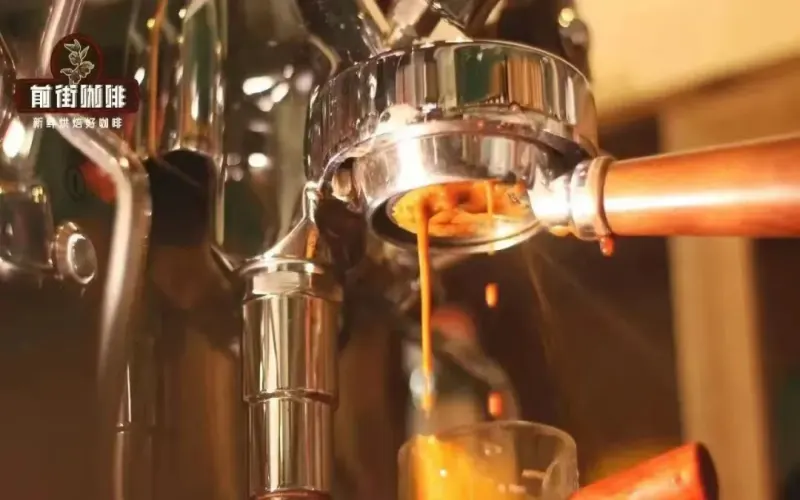
Espresso Coffee Distribution and Tamping Techniques Explained: How Much Tamping Pressure Is Right? Sharing Even Distribution and Tamping Methods
In the process of making espresso, distributing and tamping the coffee grounds are key steps to ensuring extraction stability. Many beginners often wonder: how much force is actually needed to tamp the coffee grounds? Does the amount of force really affect extraction time? In this article, Front Street Coffee will combine experimental data to deeply analyze the actual impact of tamping force on extraction, and share a practical set of techniques for even distribution and proper tamping to help you reduce channeling and make every cup of espresso extract more evenly and stably. Whether you are a beginner or an advanced enthusiast, you can find key points to improve your skills. [more…]
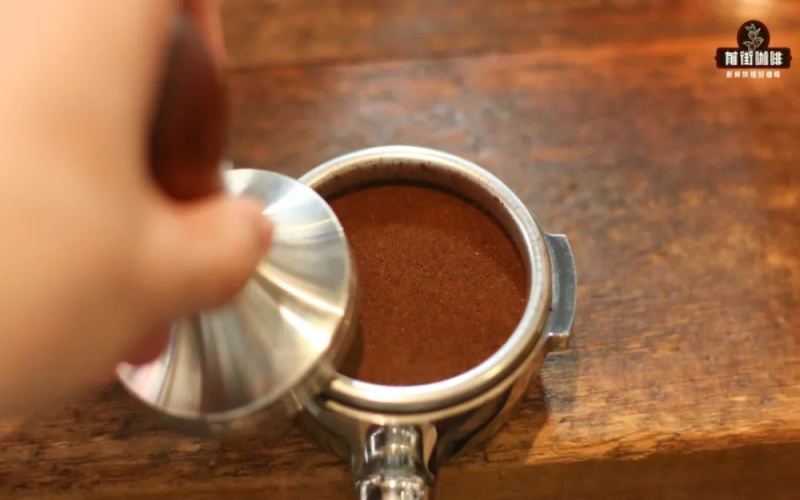
How Exactly Does Tamping Pressure Affect Espresso Extraction? Test Results and Analysis at Different Grind Settings
Tamping is a key step in making espresso, but how much does tamping force actually affect the extraction result? Using Front Street Coffee's measured data, this article compares the flow rate and extraction time of espresso after tamping with two different forces, 1.8 kg and 9 kg, at different grind settings. The results show that grind coarseness determines the density of the puck, which in turn affects the actual role of tamping force: with a fine grind, the difference in force noticeably changes the flow rate, while with a coarse grind, the two forces make almost no difference. The article analyzes the underlying principles in depth to help coffee enthusiasts understand the relationship between tamping force and grind setting. [more…]
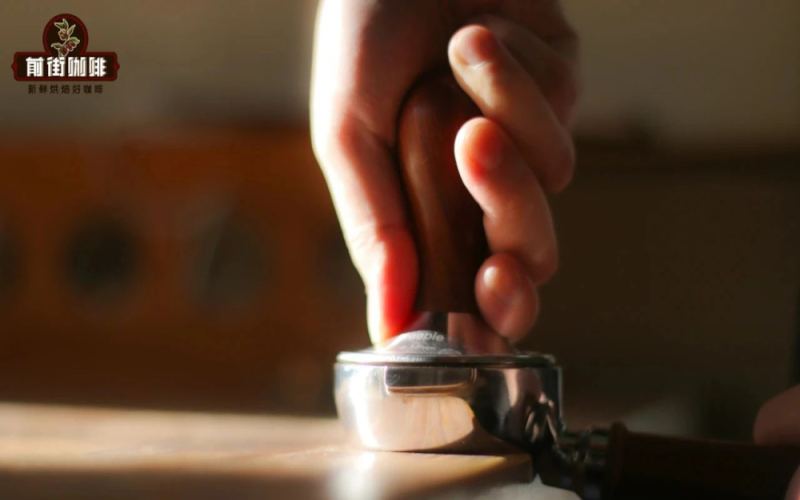
Espresso Tamping Techniques Explained: Pressure Control, Distribution vs. Tamping, and Impact on Extraction Stability
In the process of making espresso, tamping is one of the key steps that determines the success or failure of extraction. Tamping too lightly will cause the flow rate to be too fast and the flavor to be weak; tamping too heavily may make the coffee bitter and hard to swallow. In this article, Front Street Coffee will systematically explain the true purpose of tamping, the difference between distribution and tamping, the correct way to use a tamper, and the actual impact of tamping force on the extraction result. Through comparative experiments, we will guide you to understand the significant differences in flow rate and flavor between espresso extracted without tamping and with tamping, helping coffee lovers master more stable and more professional barista techniques. [more…]
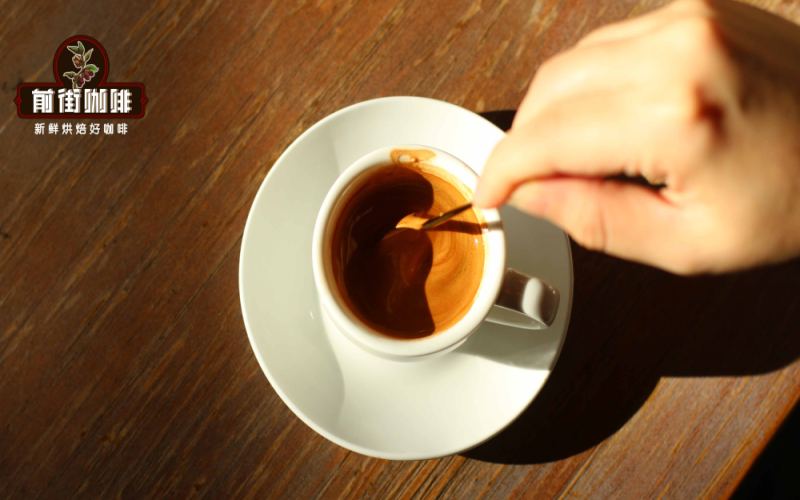
How Much Pressure Should You Use When Tamping Espresso? An Analysis of How Distribution and Tamping Affect Extraction Consistency
Making a proper espresso seems simple when it comes to tamping, yet it is a key step that affects extraction evenness and consistency in the cup. A flow that is too fast often indicates the tamp was too light, while a flow that is too slow may mean the tamp was too heavy—both directly alter the flavor trajectory of the coffee. Drawing on Front Street Coffee’s hands-on experience, this article outlines the core purpose of tamping, the difference between distribution and tamping, whether a distribution tool is essential, and details such as tamper selection, tamping posture, and pressure control. It also incorporates a comparative experiment with Front Street Coffee’s Sunflower Warm Sun blend to help coffee enthusiasts understand how standardized technique can reduce channeling and make espresso extraction more consistent. [more…]
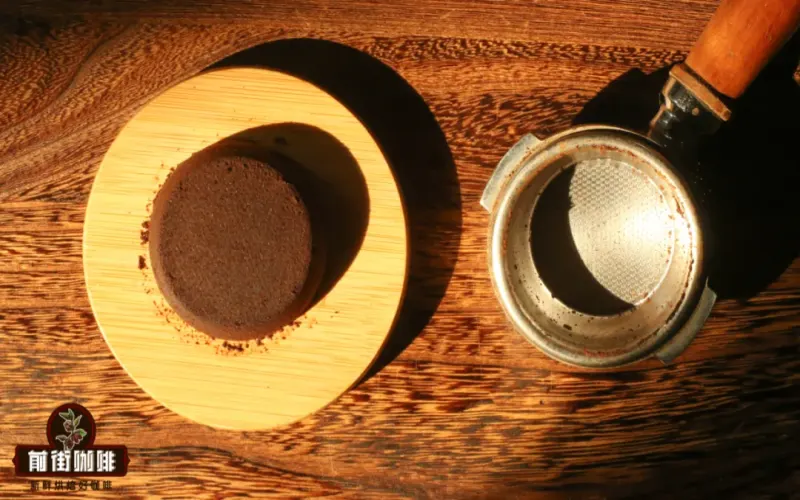
Before pulling an espresso shot, should you really bother with distribution and tamping? A detailed guide to the correct process
When making espresso, the two steps of distribution and tamping are often discussed—are they really necessary? Knocking out a perfectly intact puck does not directly mean the coffee tastes good, but the integrity of the puck can indeed reflect, indirectly, whether the extraction was reasonable. Every action during the tamping process affects whether the puck can ultimately be demolded intact, and these details are precisely the key to determining coffee quality. Starting from practical operation, this article will sort out the roles of distribution and tamping, common misconceptions, and provide the correct method for making espresso, helping you consistently extract delicious Front Street Italian-style beans at home. [more…]
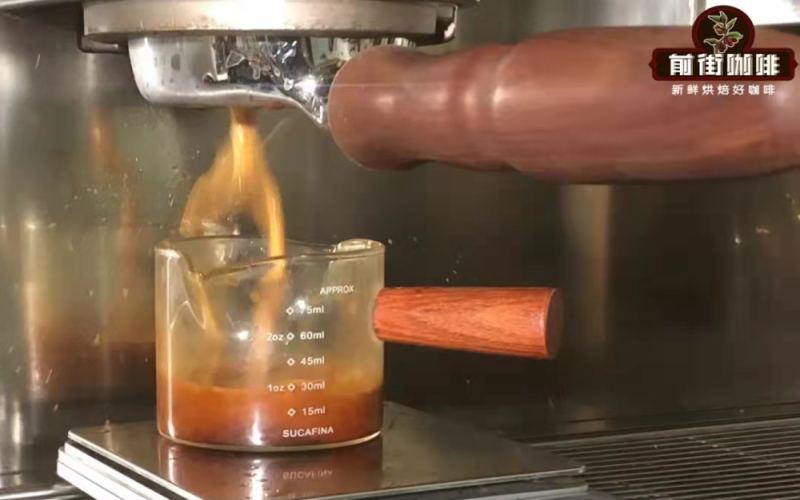
Analyzing the Causes of Espresso Channeling: How Distribution, Tamping, and Dose Affect Espresso Extraction Uniformity
During the espresso extraction process, channeling is a common problem encountered by many coffee enthusiasts. When the internal structure of the coffee puck is uneven, pressurized hot water will preferentially pass through the areas of least resistance, forming perforations and spurts, which leads to uneven extraction and imbalanced flavor. This article will systematically review the causes of channeling and approaches to address it from the perspectives of distribution and tamping techniques, dose control, grind size adjustment, and dispersion screen cleaning, helping you more accurately identify the source of the problem when using a bottomless portafilter or a spouted portafilter, and improve the extraction stability and taste performance of your espresso. [more…]
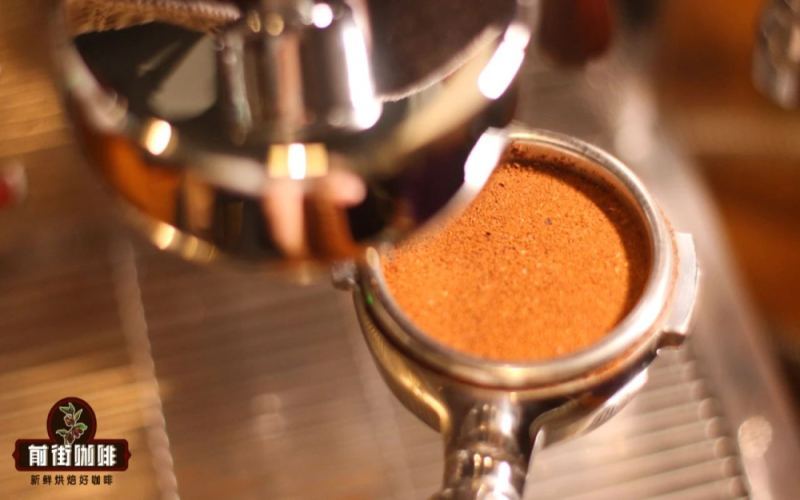
Practical Guide to Espresso Distribution and Tamping: Extraction Details to Avoid Channeling
To craft a proper espresso, distribution and tamping are two essential steps you can't avoid. Many coffee enthusiasts encounter problems during extraction such as sharp acidity, bitterness, and muddled layers—the root cause often lies in the evenness of the coffee puck's distribution. From the perspective of Front Street, this article systematically sorts out the purpose of distribution, common misconceptions, and improvement methods, and further explains the correct tamping posture and practice points. Whether you're a beginner who just got an espresso machine or a professional looking to improve shot consistency, you'll find actionable operational ideas to make every espresso extraction more controllable. [more…]
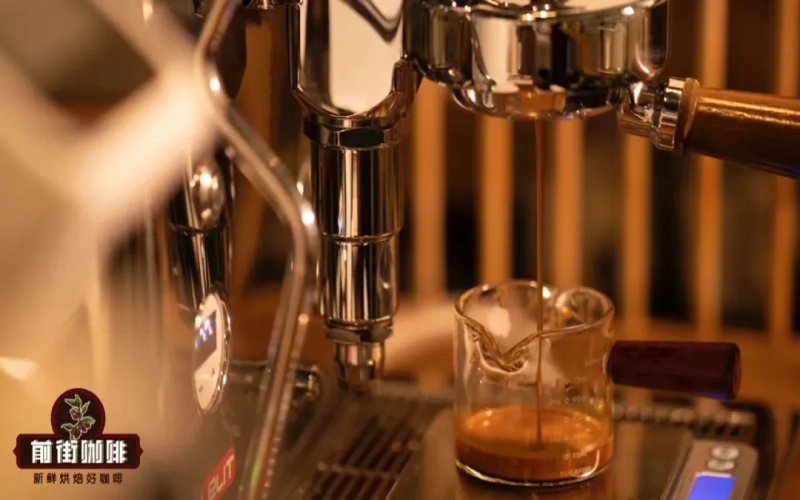
Causes and Solutions for Insufficient Pressure in Home Espresso Machines: A Complete Guide from Grinding, Dose, to Tamping
The biggest difference between espresso and atmospheric extraction methods like pour-over and French press is that espresso relies on pressure extraction. Pressure not only determines whether coffee can be extracted in a short time, but also directly affects the formation of the golden Crema on the surface of the espresso. Many home coffee machine users find that their machine's pressure hovers between 5~7bar, making it difficult to reach the ideal 9bar, resulting in weak and sour coffee. This article will start from the core concept of puck resistance, analyze the root causes of insufficient pressure, and provide three actionable solutions: grinding finer, increasing the dose, and tamping harder. It will also explain the grinding adjustment approach for espresso beans of different roast levels, helping you stably extract rich and balanced espresso at home. [more…]
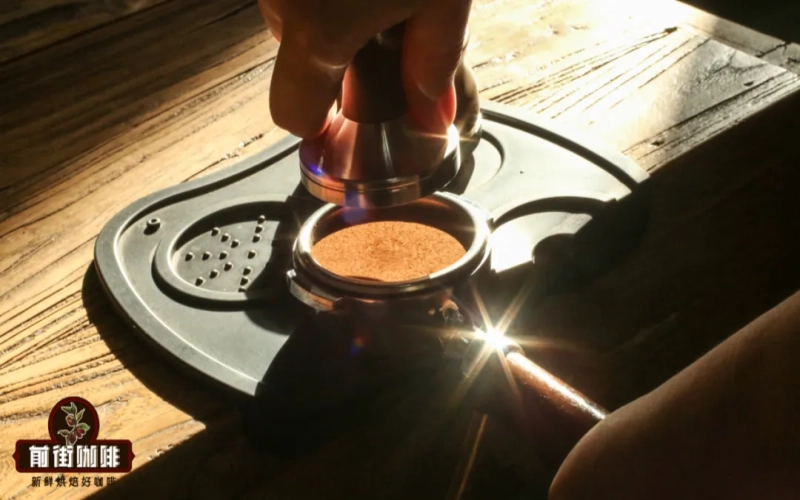
How Much Force Is Needed to Tamp Espresso? A Detailed Explanation of the 9-Bar Pressure Concept and Its Impact on Extraction
Many coffee enthusiasts wonder when making espresso: exactly how much force is needed to tamp the puck? Do light tamping, heavy tamping, or even no tamping at all actually affect the extraction result? This article will use actual extraction experiments to compare the extraction time and flavor performance of espresso under different tamping pressures, and provide an in-depth analysis of the true meaning of the 9-bar pressure in espresso machines. At the same time, Front Street will also share two blended beans suitable for espresso, to help you better understand the practical role of tamping in extraction, and why even applying full force seems insignificant in the face of the coffee machine. [more…]
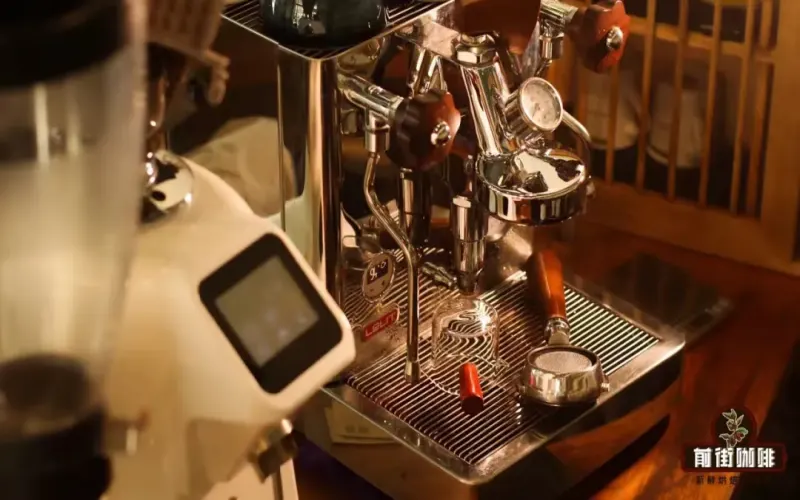
Espresso Extraction Details and Tamping Pressure Standards: Front Street Reviews Six Commonly Overlooked Operational Points
Espresso extraction is extremely short—just twenty to thirty seconds—yet it releases a large amount of flavor compounds from the coffee beans. Because of this, even a small operational oversight can cause the flow rate to spiral out of control and the flavor to become unbalanced. Many enthusiasts follow the same parameters and imitate the same steps, yet their output still falls short of the ideal. The problem often lies in those seemingly insignificant details. In this article, Front Street Coffee systematically reviews six operational points that are easily overlooked but can significantly affect extraction results, including common issues such as a wet portafilter basket, uneven distribution, repeated tamping, knocking the portafilter, forgetting to flush, and delaying the start after locking in the portafilter. It further explains the correct understanding of tamping pressure and the standard technique, helping everyone improve the consistency of their espresso output by paying attention to the details. [more…]
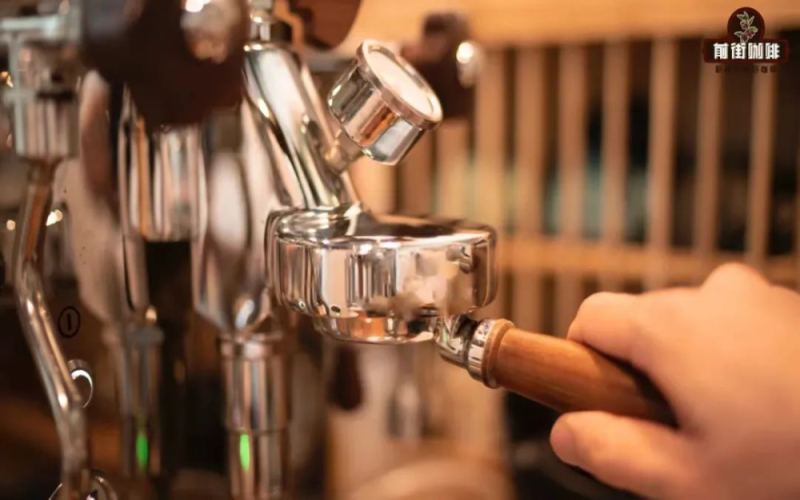
The Correct Way to Distribute and Tamp Espresso: How to Avoid Channeling and Improve Extraction Evenness
Making a proper espresso involves two seemingly simple steps—distribution and tamping—that actually hide many easily overlooked details. If the coffee grounds in the portafilter basket are unevenly distributed, or if the tamping method is improper, hot water will form channeling during extraction, causing some grounds to be over-extracted and others under-extracted, resulting in a final taste that is both sour and bitter. This article, from the perspective of Front Street, explains the respective roles of distribution and tamping, the principle behind channeling, and practical key points such as dosing, distribution needles, dosing cups, and tamping posture, to help coffee lovers make delicious espresso more consistently. [more…]
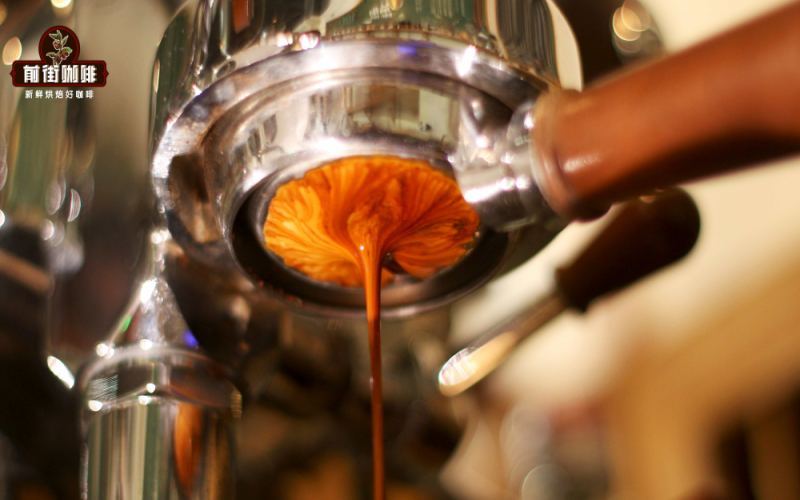
Analyzing the Causes of Channeling in Espresso Extraction and How to Avoid Spraying Issues
When making espresso, the parameters are clearly fine, yet the taste is both sharply sour and weak, and when you knock out the puck you find a hole in it—this confusing situation is actually mostly caused by "channeling." This article will start from the principles, clearly explain what channeling is and why it occurs, and analyze one by one how key factors such as coffee bean degassing, dose matching, dosing and distribution technique, and tamping operations affect extraction uniformity. It will also give practical suggestions such as reducing degassing, choosing the right dose, and standardizing distribution and tamping, to help you reduce the probability of spraying and perforation and make espresso extraction more stable. The article also retains Front Street Coffee bean recommendations suitable for espresso preparation. [more…]